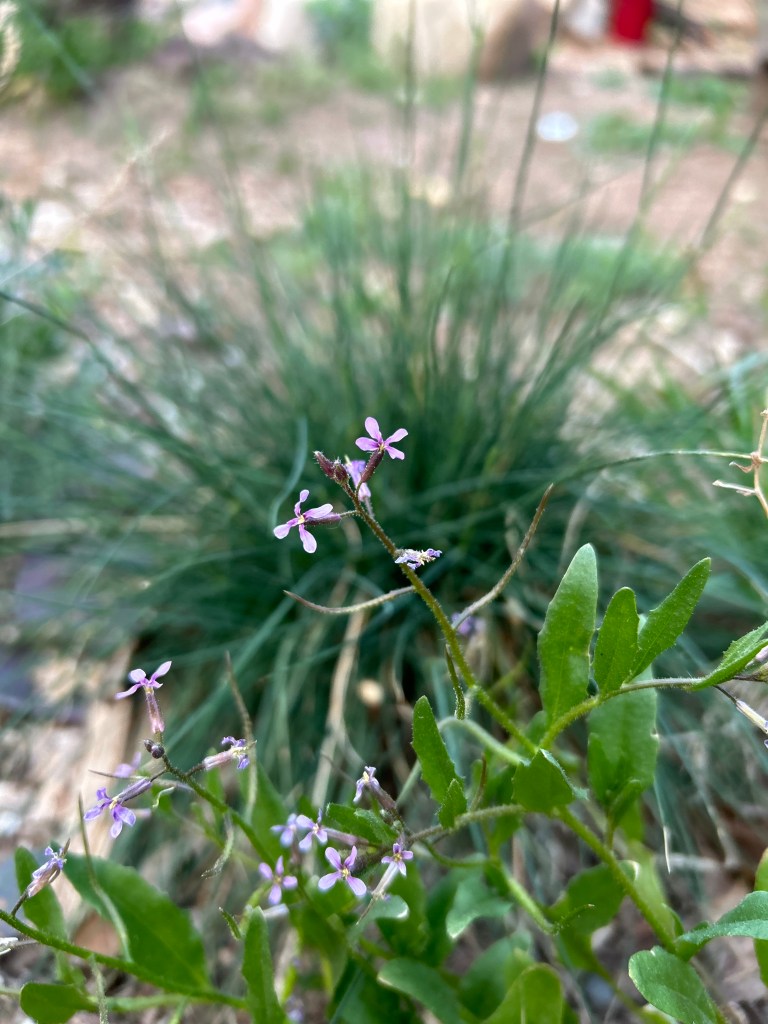
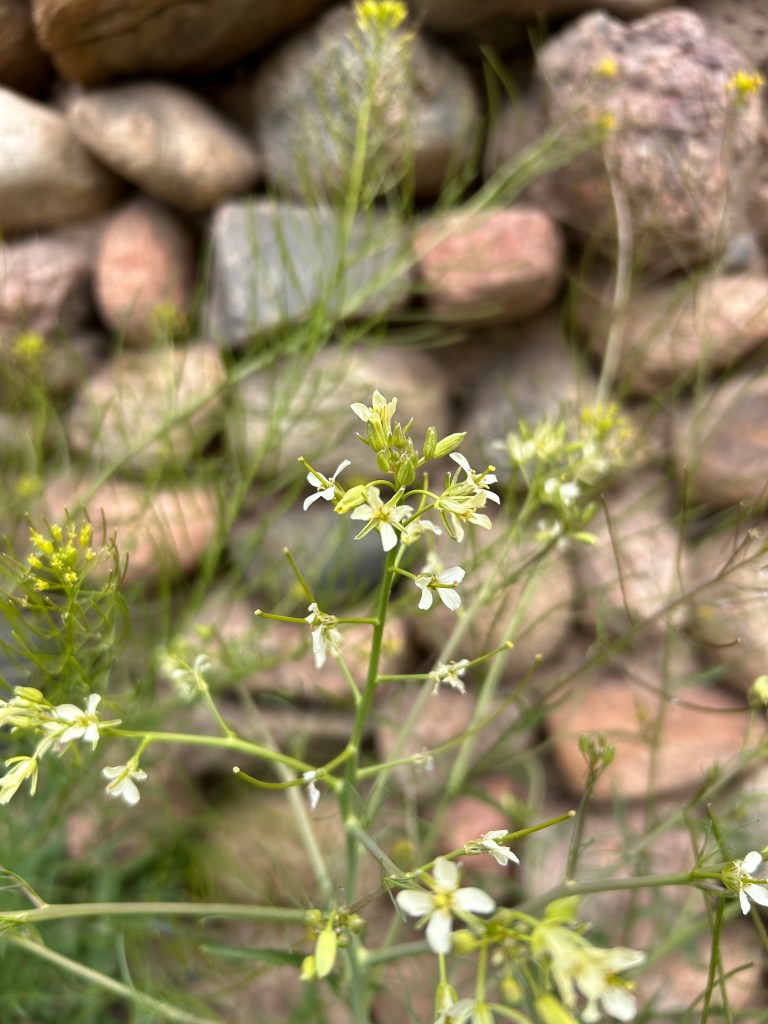
Mustard- a notorious nuisance of the spring. Every year it is ripped out by unamused gardeners, packed into plastic bags and shipped off to the landfill by the truckload. Despite exhaustive efforts it returns a few months later when temperatures drop again in the fall. The cycle continues.
It is interesting why some plants are considered weeds and others are not. A lot of times it seems that the size and brightness of a plant’s flower is the only factor. Despite their bad reputation, these prolific annuals aren’t all bad.
In my yard, they are one of the first plants to come up in the spring. While not a favorite of many insects, the early blooms offer a food source when options are limited. They can also be eaten by us* (some are tastier than others). The leafy greens are a great substitute for arugula and other spicy but expensive grocery store leaves. The seeds can be ground up and mixed with vinegar to make the world famous yellow and brown condiment.
While some varieties are delicious,(London Rocket is my personal favorite), it is understandable why they are undesirable. While I enjoy the greens, there is only so much we can eat, and do not want a yard full of mustard. Thankfully with good timing and patience, they are easy to control.
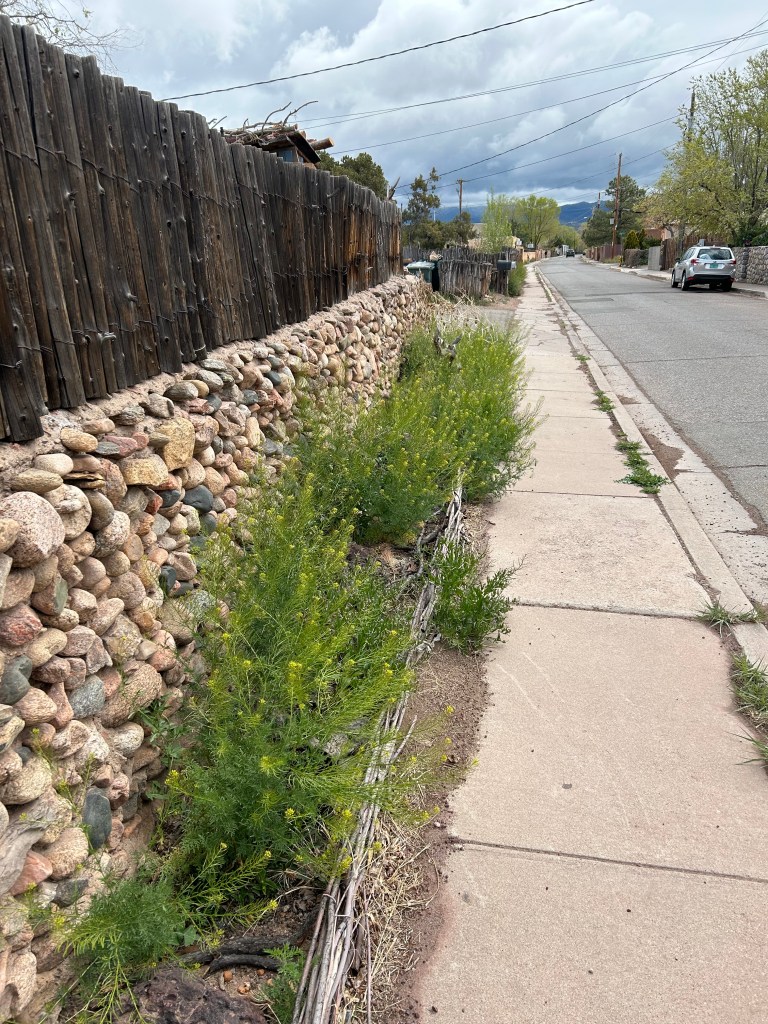
Being pioneer plants, they thrive in disturbed areas. Last year I dug up an area near the sidewalk to add larger stones and start a garden. This year it was full of waist high mustard. Instead of pulling them by the root and starting the cycle of disturbance again, I will cut them at the base when the timing is right. Too early and they will send out more shoots, too late and the seed pods will open, filling the dirt with more seeds. (the dirt is so saturated with the seeds that another plants worth probably isn’t that impactful).
A good time to cut them is when the plant is almost done flowering and the seed pods have worked their way up the stalk, just beginning to turn brown. Once cut, heavy mulching helps suppress remaining seeds. Planting native perennial grasses and plants is another great way to keep pioneers down.
* always do your own research before collecting and eating any wild plant. It is also good to avoid sidewalk edibles within reach of a dogs aim and cars exhaust.
From May, 5, 2024
 Site Title
Leave a comment