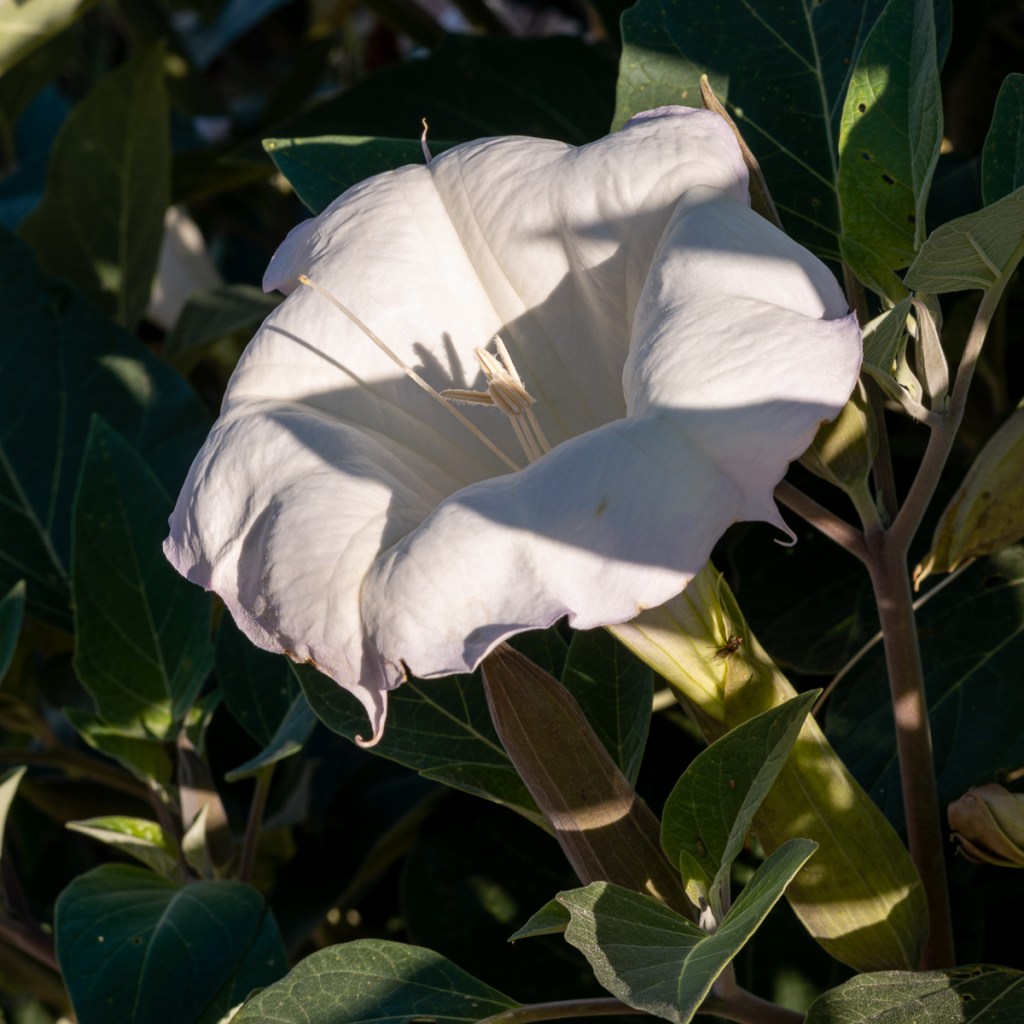
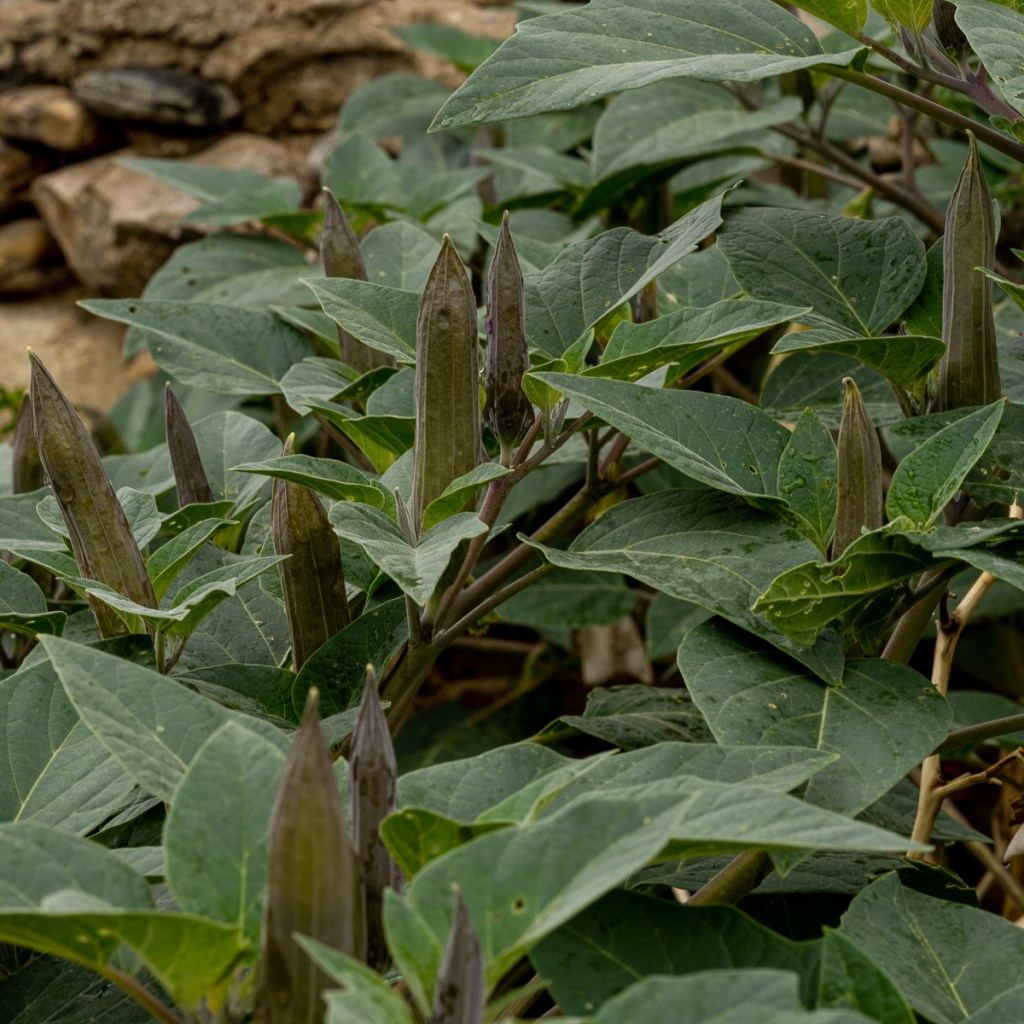
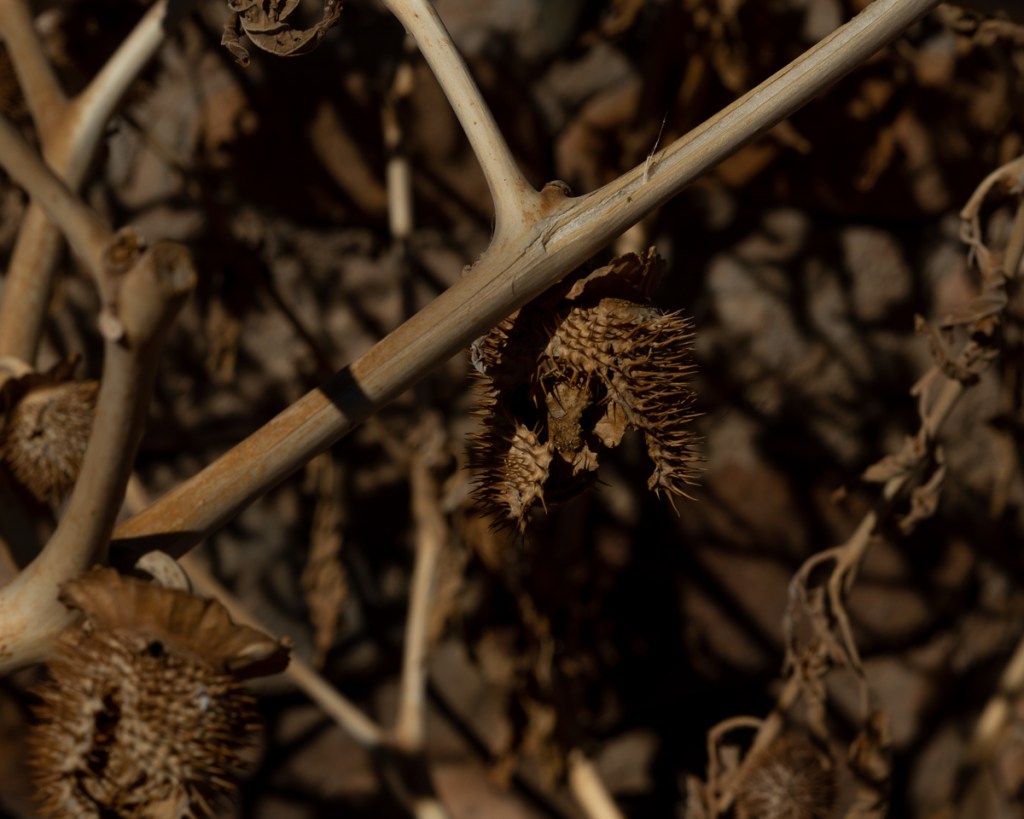
A breathtaking desert dweller that is both beautiful and powerful. Datura is a perennial that dies back in the winter and can grow five feet in a single growing season.
Perfectly at home in rocky, sandy soils they should not need any supplemental watering or nutrients. A great option for those that have hot open spaces with deer, rabbits, and other hungry herbivores. Re-seeding liberally, they can take over a small garden.
USE CAUTION AROUND DATURA. They are poisonous and should be treated with respect. Always wash your hands well after handling. If you decide to save the seeds, make sure to clearly label and store safely. I wouldn’t recommend Datura to someone with young children or pets and an enclosed yard.
It has been a dry spring this year, which seems typical in this part of the southwest. As the temperatures creep into the 80’s, the plants are starting to wilt in the mid-day heat. This is not a concern if they bounce back when it cools in the evening. Either way the established Palmer Penstemmon doesn’t seem to mind. Despite no rain for a couple weeks and no supplemental watering from me, it is one of the happiest looking plants in the garden.
I got this one from the aptly named Plants of the Southwest. They have a wonderful property to explore, knowledgeable staff and fair prices. Their garden is a strong example of what a Santa Fe garden can be. You can even get a home cooked meal from Olive! (Better make a reservation). If you’re in town looking for plants, it should be the first stop for hardy native species.
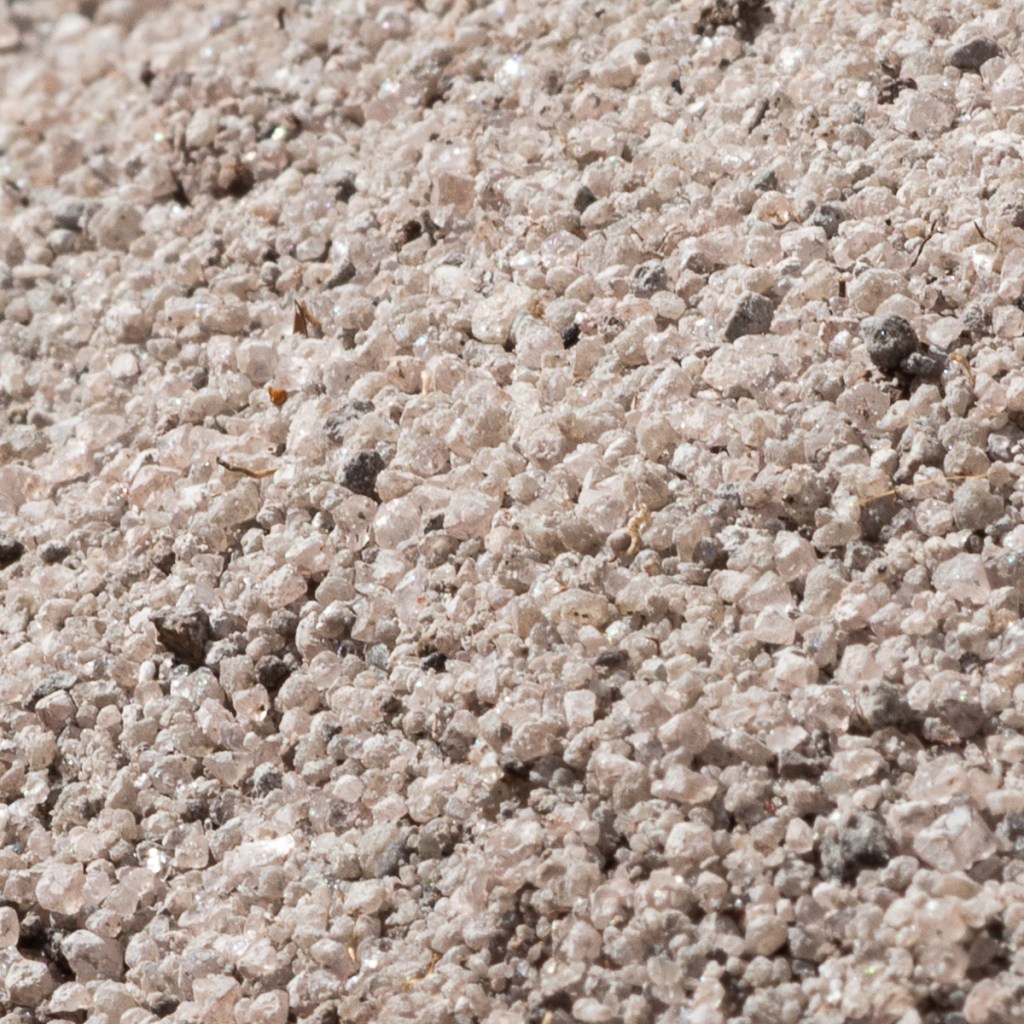
In a continuation of the last post, here is a close-up of three similar glazes processed to different lengths. The first was processed no further than a window screen. The unmelted chunks remind me of big snowflakes. While great visual and tactical texture, it would not work well as an everyday functional glaze. Its rough surface would shred a sponge and be less than pleasant scraping a metal spoon over.
The second was poured through a 30 mesh sieve. In my experience this is the minimum work and maximum particle size for functional ware. The melt is good enough that the small unmelted bits are beneath a mostly smooth glaze.
The last is 60 mesh. This glaze is smooth and perfectly acceptable for everyday functional ware. It does require an extra round of processing. This is also the size where having a mill or grinder begins to shift from convenient to necessary.
For this glaze, I collected three different tuffs from the mountains and mesas near my home. Each one will be processed down and tested to see if they work well as a glaze material. From the different colors of each one I assume they have varying compositions, which will create varying glazes, but that is not always the case. Number 1 could have a similar composition as number 3, but contains more organic material which would burn off in the kiln. Based on the off putting smell coming from that bucket, this could be the case. Alternatively it could be darker from impurities such as iron, which would be noticeably different in a glaze.
The first step is screening everything through 1/4” hardware cloth to get the big chunks out. I do all screening and sieving wet to keep hazardous airborne dust to a minimum. It is also best to do outside for the same reason.
Next the material is poured through a window screen, and lastly through a 40 mesh sieve. Many potters prefer a finer product, but for my needs 40 is sufficient. To get a finer particle size grinders and mills are used. Anything that doesn’t make it through the screens can be crushed down and screened again, or used elsewhere.
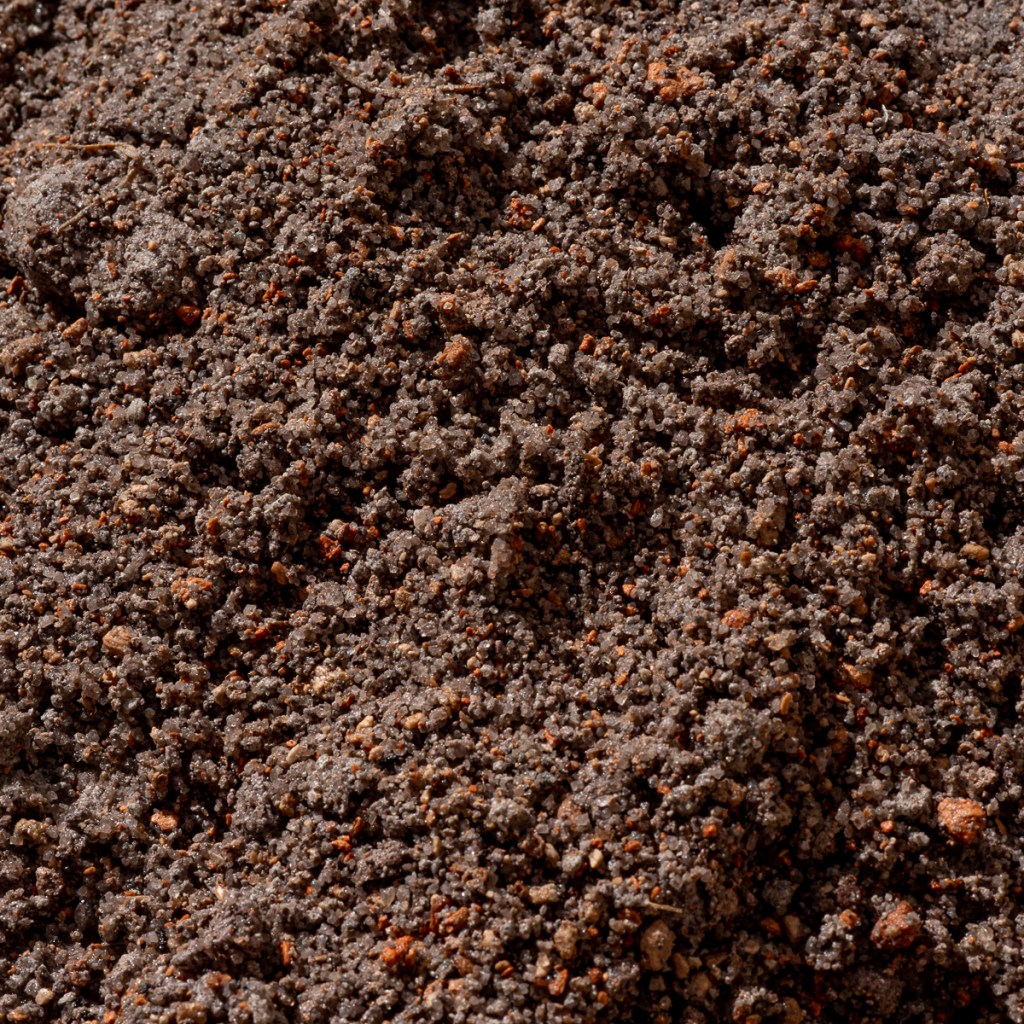
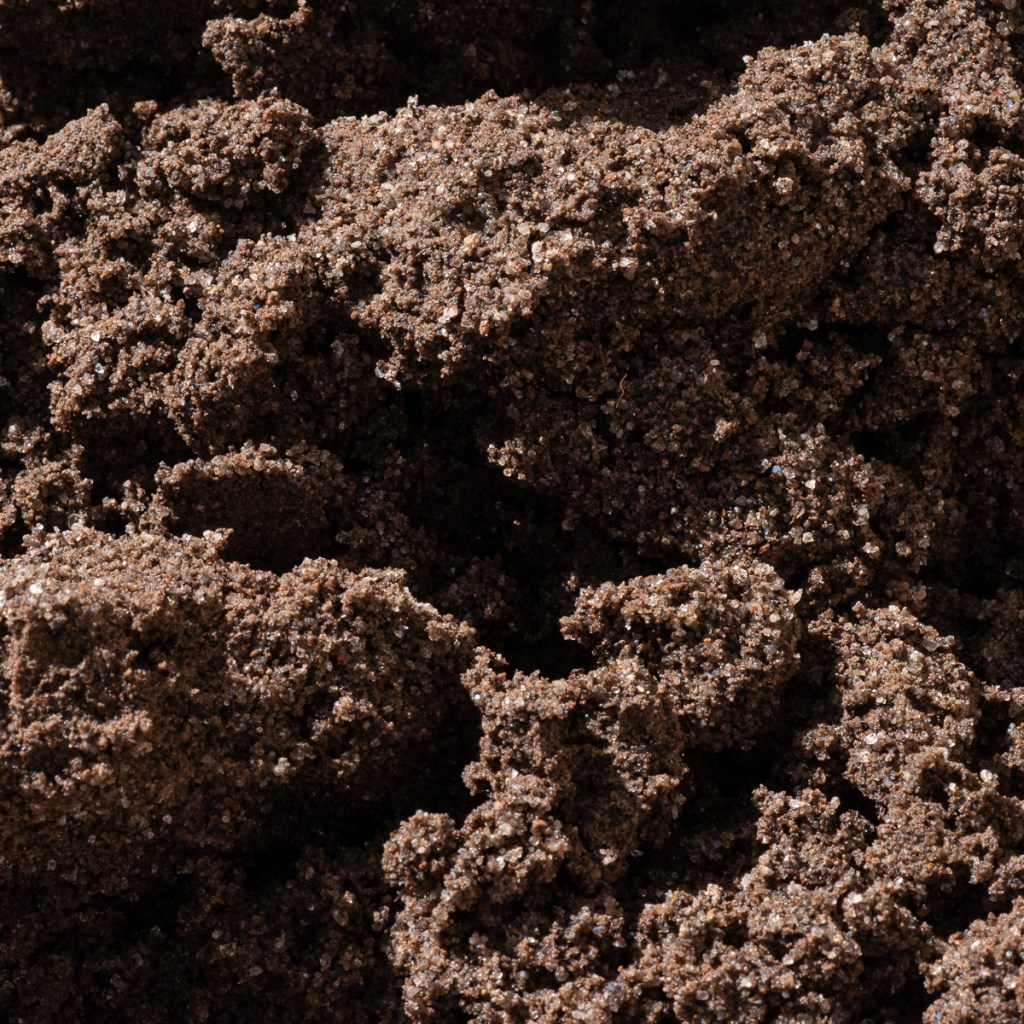
Chunks bigger than 1/4” are typically pumice. Pumice is porous and can help with water retention in soil, so these chunks go right into the garden. The smaller pieces that don’t make it through the window screen and sieve will be mixed into a clay body (photo 4).These pieces are too big to melt smoothly into a glaze, but can add a nice texture to a body. Most of the time required to process a raw material is typically waiting for it to settle.
The finest particles, which can take days or weeks to settle, are important for a good melt, so it’s best to be patient. Once settled, the clear water is poured off the top and the material is put into bisque ware and left to dry. If it still has moisture it will be difficult to accurately measure, leading to a lack of consistency. The dry powder is now ready to measure out and mix into a glaze. The last photo is of my first successful pumice/tuff glaze test from 2019, which is now the favorite dining bowl of our cat.
According to a 2018 EPA report, about 7% of U.S. landfill is yard waste. “Waste” is an interesting word for such a valuable resource.
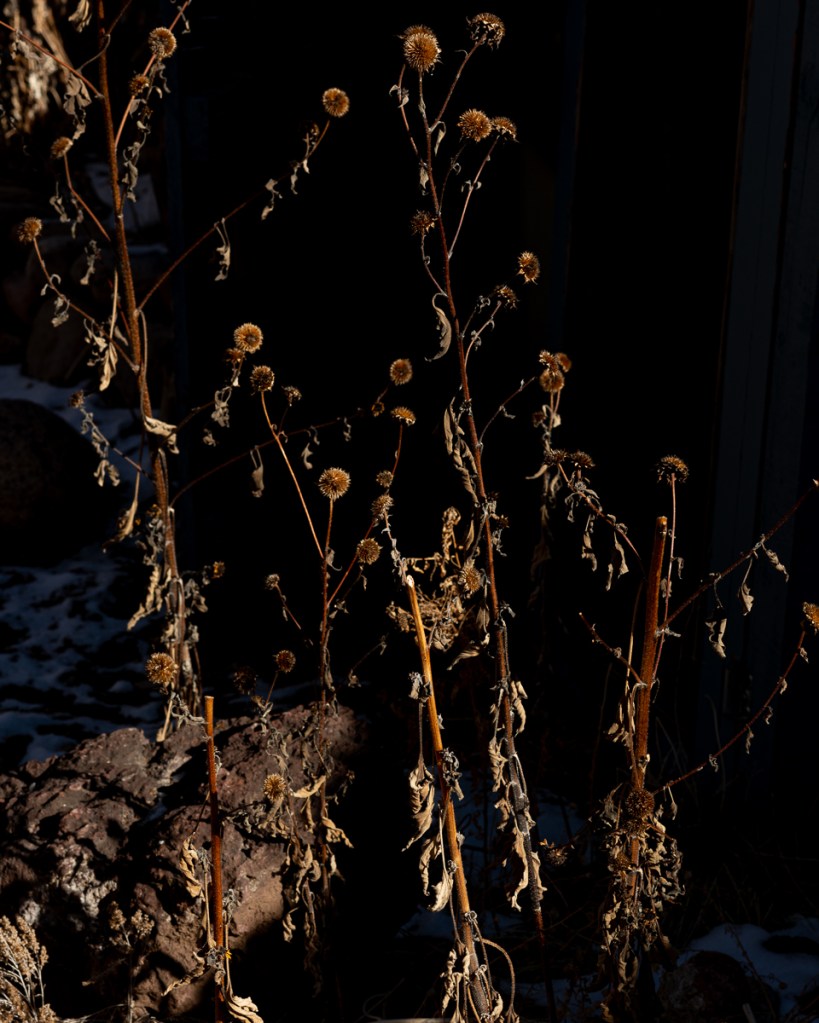
Leaves and other debris provide habitats for over-wintering animals, insects, bacteria and mycelium vital to our eco-system. Seed heads standing high above the frozen ground preserve food for birds during the cold months. The stalks provide winter beauty as sculptural structures that stand up and play with the low sun’s shadows and snow.
As the weather begins to warm and seeds germinate, the material, hopefully compacted by the snow, can prevent “weeds” from taking hold. Raking and leaf blowing disturbs the layer and top-soil, creating ideal conditions for these germinating pioneer plants.
During summer this layer protects the soil from the baking sun and helps trap precious moisture. Over time it breaks down and creates a home for healthy soil that is full of life.
As much as I like to get paid twice for removing “waste” and replacing it with “mulch”, it is not a sustainable practice for the future. One of the best things we can do for our environment is contemplate what we see as waste and what we see as beauty.
If letting the leaves, cuttings, and twigs to compost in place is not your cup of tea, we offer a variety of services to deal with biomass produced by plants.
Building an on site compost pile- usually built with pallets, we create a designated space for taking leaves, grass, and other clippings. With added water and worms, the pile can composted and ready to add back into the soil the following year. This can help close the loop and prevent the costly price of delivering mulch.
On-site hand mulching- great for small amounts of thin branches, we can break down into smaller, even pieces with our hands, loppers, and clippers then added back into the planters or desired areas.
Take away mulching- We take away the waste for our compost/mulch pile and bring back a finished mulch (if desired). *our current pile wont be ready until 2026, so return service not available until then.
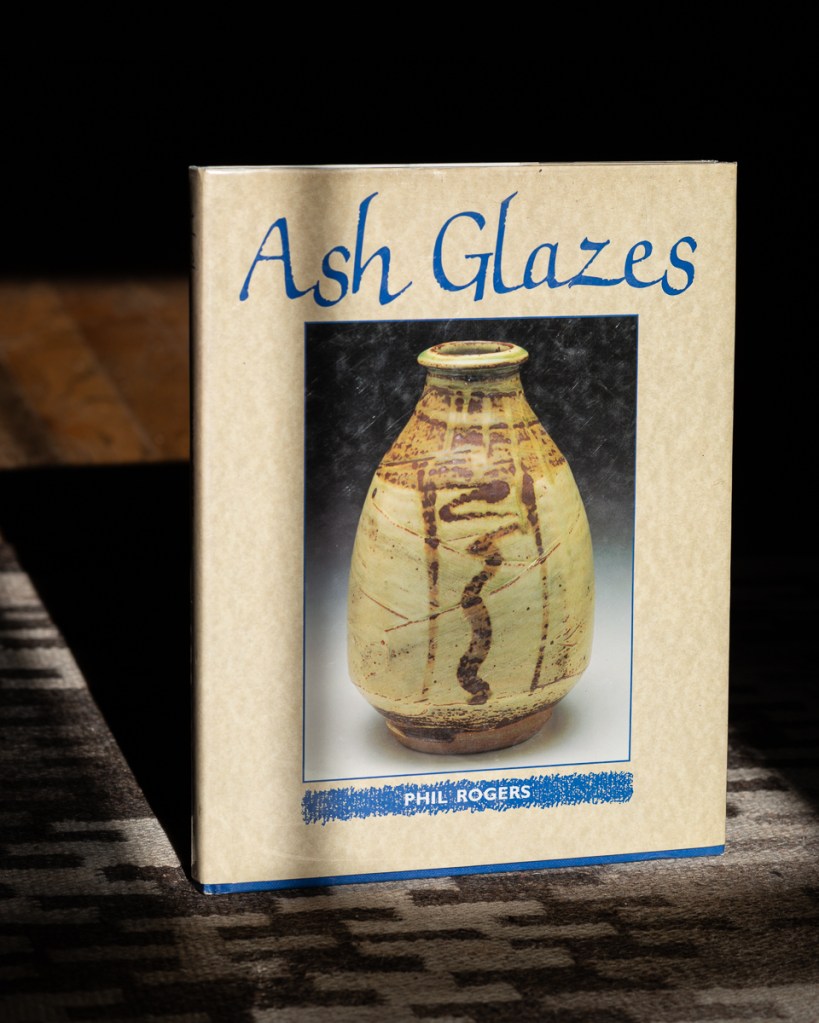
In 2018, Ash Glazes was not an easy book to find. It was always on my radar when visiting used book and thrift stores, but it remained elusive. One afternoon while quickly scanning the shelves of a local store it made its appearance. I couldn’t believe my eyes. A mythical beast in the wild!
First thing I do with any used pot or book is check the price. Opening the cover I see $100 written in pencil. Oof! For a brief moment I questioned myself. Information is hard to quantify, but if this information is years of time, effort, and expertise, $100 is actually a great deal. As I handed the lady at the cash register she opened it, looked shocked, and asked “are you sure?”
Not long after the purchase I was collecting ash and doing my own tests. The way Phil writes is informative and enjoyable. An easy read for any one with an interest in ash glazes and natural materials. Years later I often find myself going to this book for technical advice and inspiration.
Phil passed away in 2020, but he continues teaching curious minds through his open willingness to share a lifetime of knowledge and craftsmanship.
Last year Phil’s wife Hajeong put together and published the third edition of Ash Glazes. Thanks to all her hard work it is now accessible as ever!
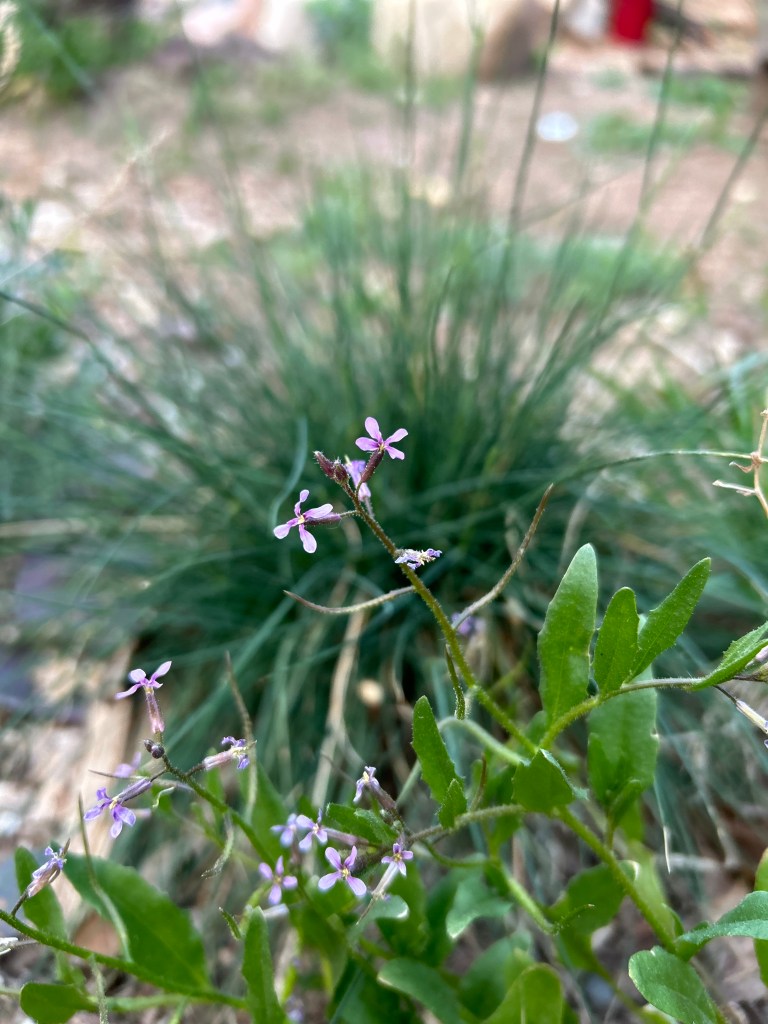
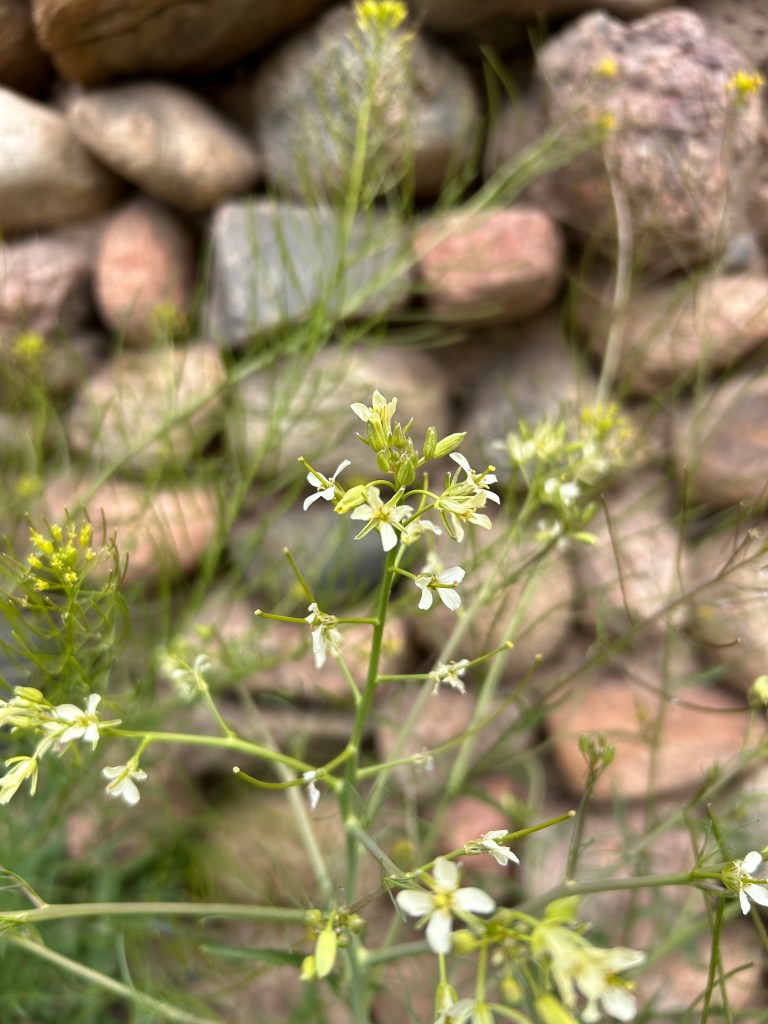
Mustard- a notorious nuisance of the spring. Every year it is ripped out by unamused gardeners, packed into plastic bags and shipped off to the landfill by the truckload. Despite exhaustive efforts it returns a few months later when temperatures drop again in the fall. The cycle continues.
It is interesting why some plants are considered weeds and others are not. A lot of times it seems that the size and brightness of a plant’s flower is the only factor. Despite their bad reputation, these prolific annuals aren’t all bad.
In my yard, they are one of the first plants to come up in the spring. While not a favorite of many insects, the early blooms offer a food source when options are limited. They can also be eaten by us* (some are tastier than others). The leafy greens are a great substitute for arugula and other spicy but expensive grocery store leaves. The seeds can be ground up and mixed with vinegar to make the world famous yellow and brown condiment.
While some varieties are delicious,(London Rocket is my personal favorite), it is understandable why they are undesirable. While I enjoy the greens, there is only so much we can eat, and do not want a yard full of mustard. Thankfully with good timing and patience, they are easy to control.
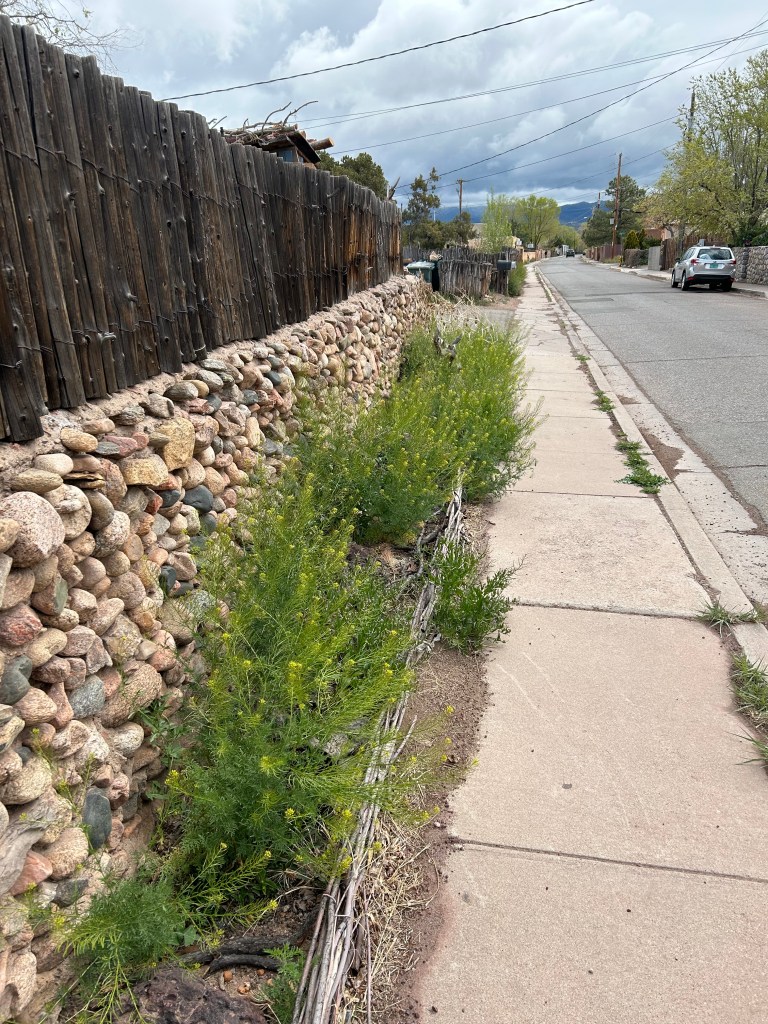
Being pioneer plants, they thrive in disturbed areas. Last year I dug up an area near the sidewalk to add larger stones and start a garden. This year it was full of waist high mustard. Instead of pulling them by the root and starting the cycle of disturbance again, I will cut them at the base when the timing is right. Too early and they will send out more shoots, too late and the seed pods will open, filling the dirt with more seeds. (the dirt is so saturated with the seeds that another plants worth probably isn’t that impactful).
A good time to cut them is when the plant is almost done flowering and the seed pods have worked their way up the stalk, just beginning to turn brown. Once cut, heavy mulching helps suppress remaining seeds. Planting native perennial grasses and plants is another great way to keep pioneers down.
* always do your own research before collecting and eating any wild plant. It is also good to avoid sidewalk edibles within reach of a dogs aim and cars exhaust.
Iron oxides have been used by humans as a natural pigment for thousands of years. Cave paintings in Indonesia believed to be over 40,000 years old contain the pigment. Cultures across the world and history have found an endless range of uses for it, which continues today. In the modern landscaping industry it is used to dye mulch a vibrant red. In high fired ceramics it can be used as a flux, causing more melt and staining in a glaze.
Iron oxide is cheap and readily available but it is also incredibly easy to make at home.
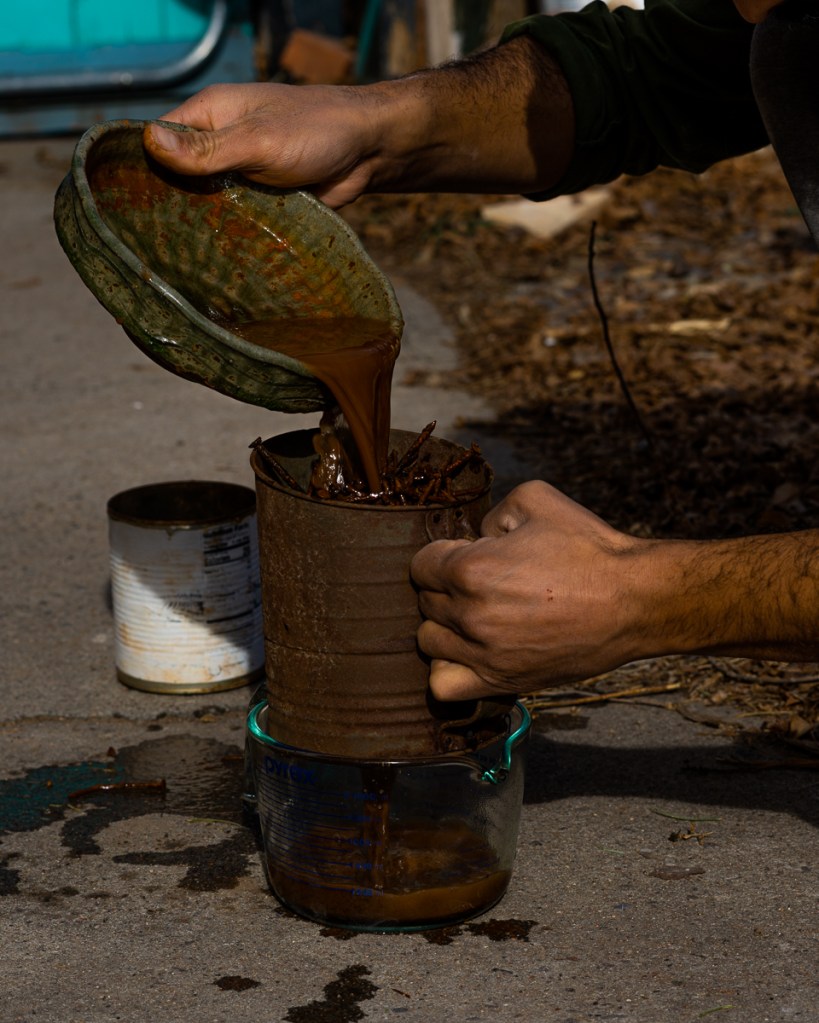
I start with throwing nails and other scrap metal containing iron into a bucket that stays outside. Over time weathering causes rust to accumulate. This rust is a form of iron oxide. Water is added and shaken vigorously. This mixture is then poured through a strainer and set aside to dry. To speed along the process it can be poured into an earthenware or bisque fired bowl. The dry powder remaining is now ready for use.
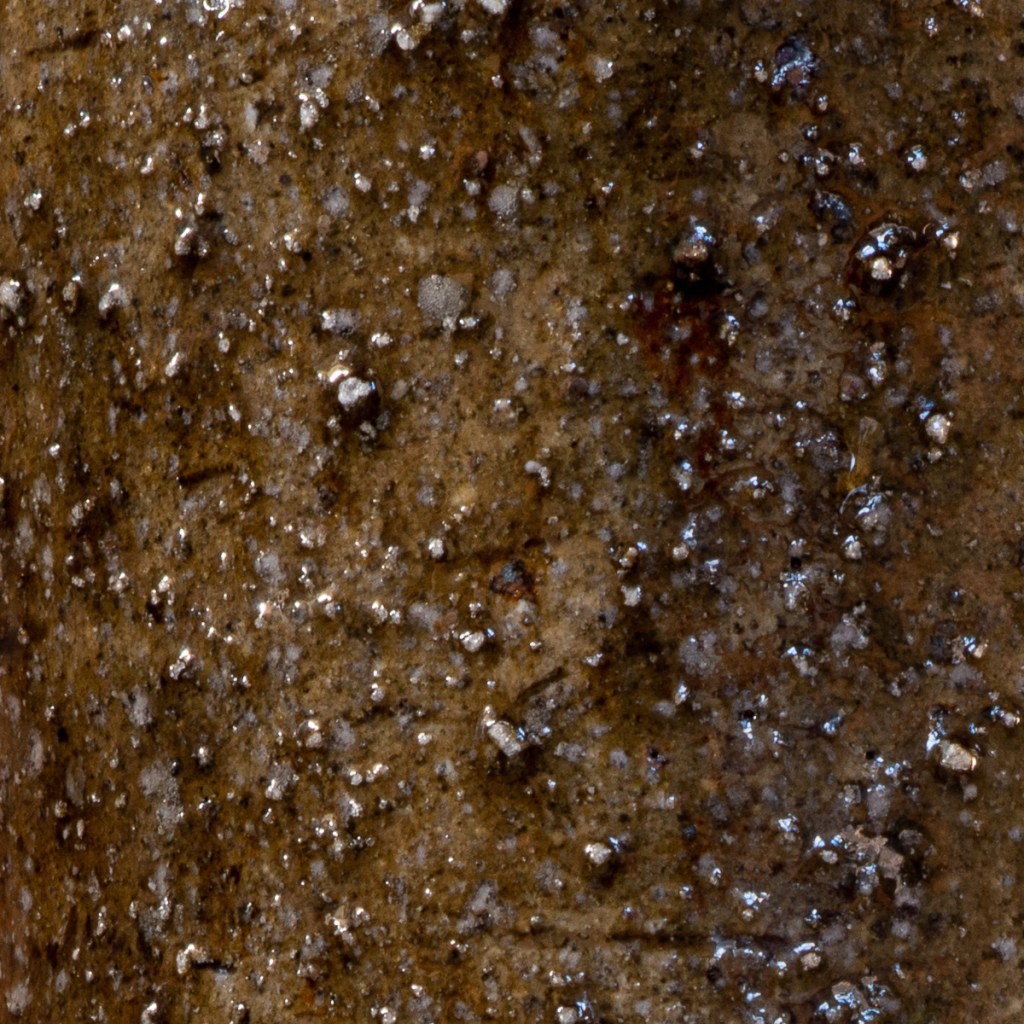
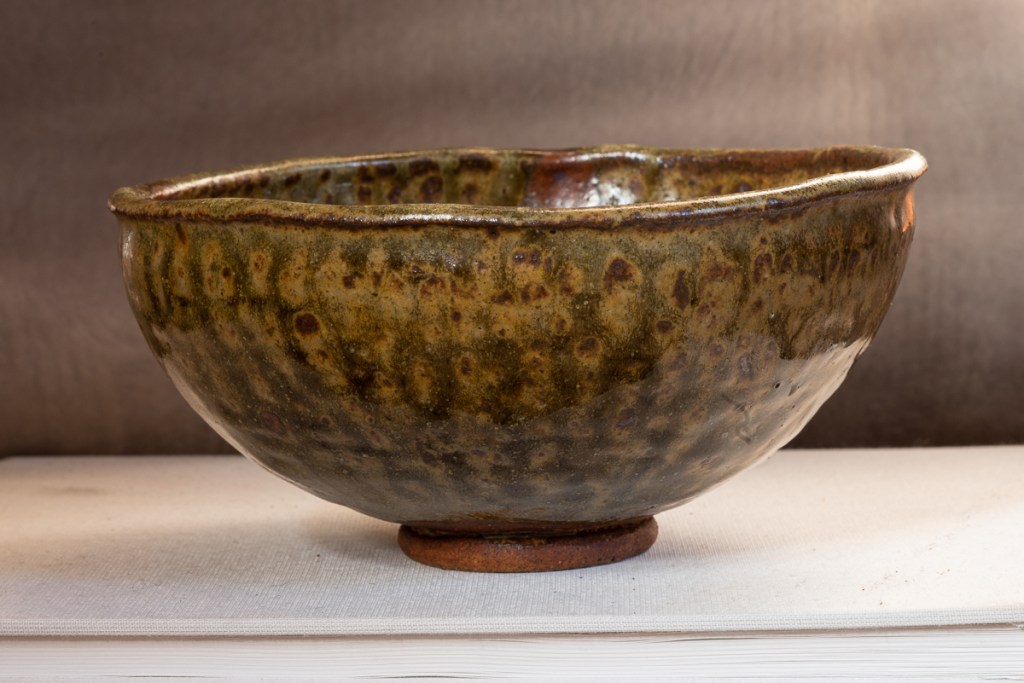
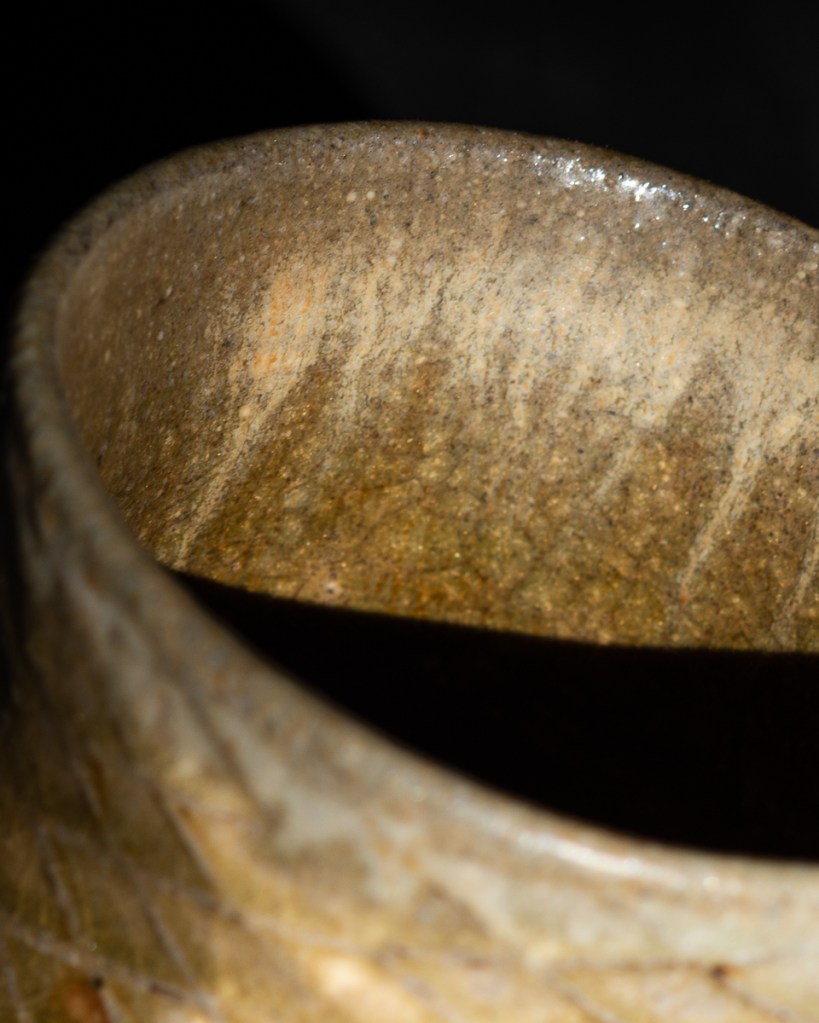
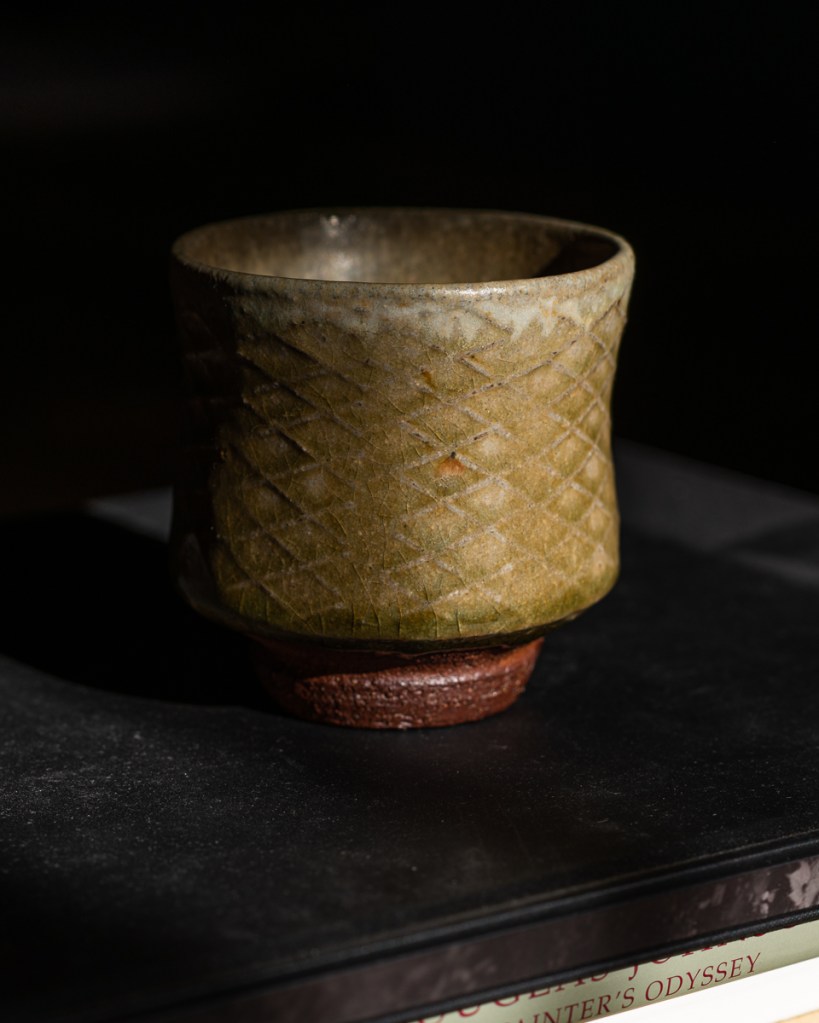
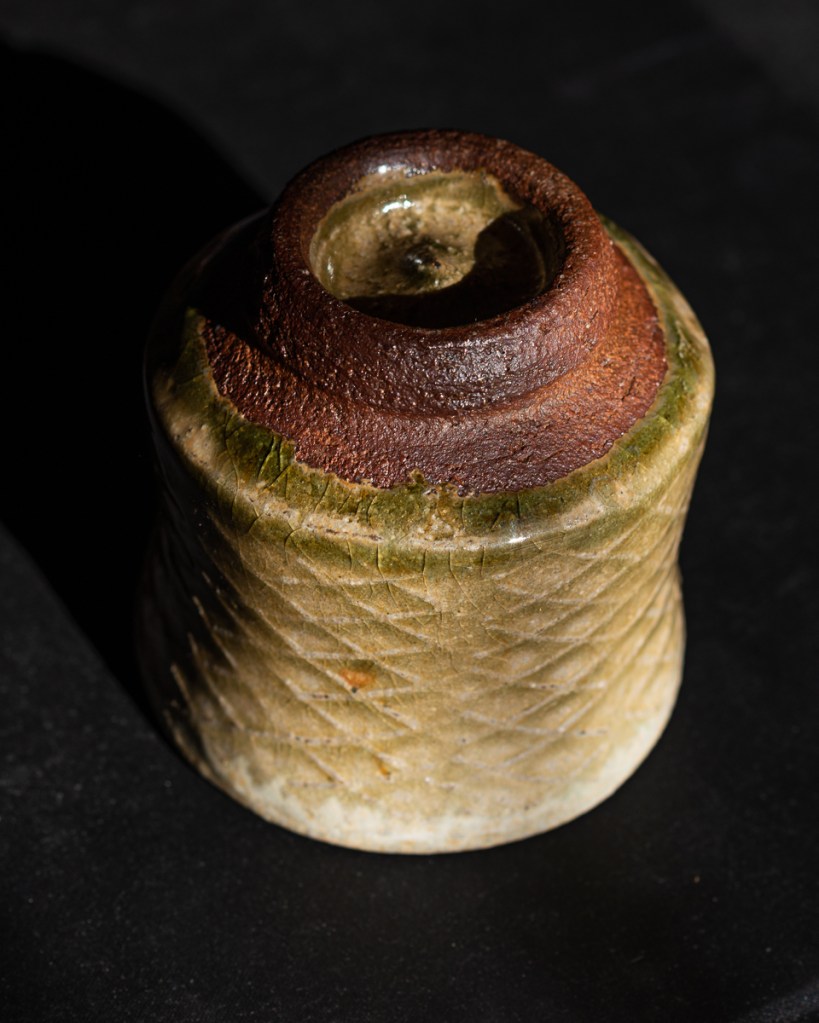
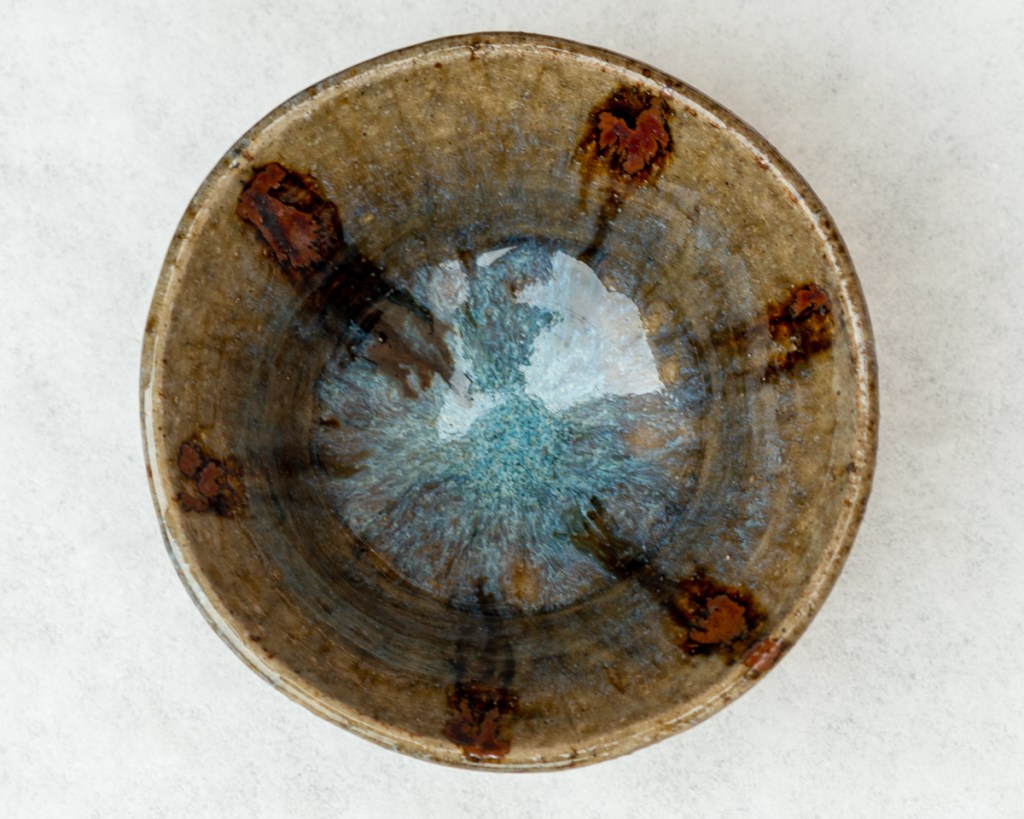
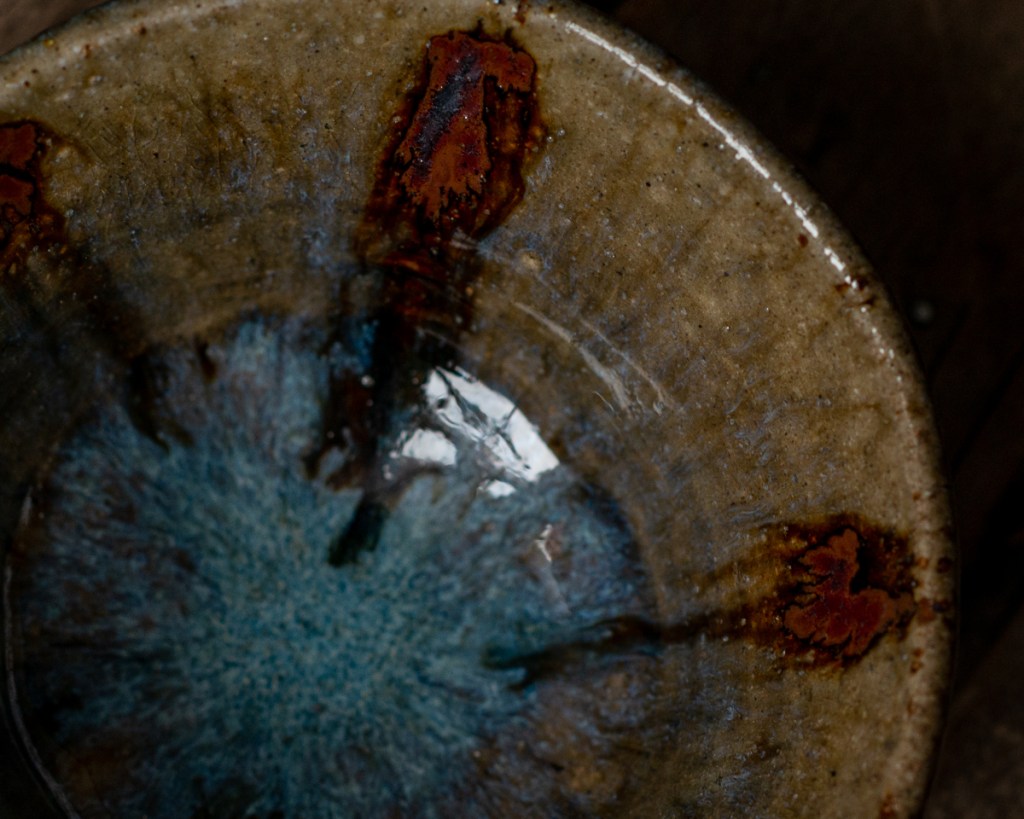
I mix it with water to a desired thickness and use it under glazes. The last two photos show the oxide reacting with a pumice glaze.












 Site Title